
Car paint cleaning is not merely an aesthetic choice; it is a fundamental aspect of vehicle maintenance that significantly impacts the overall appearance and longevity of your car. Every day, your vehicle faces a barrage of environmental threats, from dirt and grime to harmful UV rays. Neglecting to clean your car’s paint regularly can lead to irreversible damage, affecting not just its look but also its value. As car owners, we often form emotional connections with our vehicles, viewing them as extensions of ourselves. A clean, shiny car can evoke feelings of pride and satisfaction, while a neglected one can make us feel embarrassed or frustrated. This guide will delve into the importance of car paint cleaning, the environmental factors that affect it, and the best practices to maintain that showroom shine.
The Impact of Environmental Factors on Car Paint
Understanding Common Contaminants
Every time you drive your car, it becomes a target for a variety of contaminants that can tarnish its paint. Dust, dirt, and grime are common foes that accumulate on the surface, dulling its finish and making it look unkempt. However, not all contaminants are created equal. Some are more harmful than others. For instance, bird droppings and tree sap can be particularly damaging due to their acidic nature. These substances can etch into the paint if left unattended, leading to discoloration and permanent stains.
Additionally, road tar and industrial fallout can adhere to your vehicle’s surface, making it crucial to clean your car regularly. Understanding what your car encounters daily can motivate you to prioritize regular cleaning. The more you know about these threats, the better you can protect your investment.
Weather Effects on Car Paint
Weather plays a pivotal role in the condition of your car’s paint. Ultraviolet (UV) rays from the sun can cause oxidation, leading to fading and a dull appearance. Over time, prolonged exposure can break down the clear coat that protects the paint, leaving it vulnerable to further damage. Extreme temperatures can also take their toll; heat can cause the paint to expand, while cold can make it contract, leading to cracks and peeling.
Moreover, humidity can create an ideal environment for mold and mildew to develop, further compromising the paint’s integrity. Acid rain, often overlooked, can also cause significant damage. The acidic components in rainwater can eat away at the paint, leading to corrosion. Being aware of these environmental factors is crucial in developing a regular maintenance routine that protects your vehicle.
Benefits of Regular Car Paint Cleaning
Enhancing Aesthetic Appeal
Regular car paint cleaning offers immediate visual benefits. A clean car shines brightly under the sun, drawing admiration and compliments from others. The aesthetic appeal of your vehicle can greatly influence your confidence and how you feel when driving. Think of the pride you feel when you see your car gleaming – it’s not just a vehicle; it’s a reflection of you.
A well-maintained car can stand out in a parking lot, showcasing your attention to detail and commitment to care. This enhancement is not merely superficial; it contributes to a positive self-image and can even affect your mood. When you drive a clean car, you’re likely to feel more positive about your journey and destination.
Preserving Vehicle Value
One of the most compelling reasons for regular car paint cleaning is its direct impact on your vehicle’s resale value. Potential buyers are often drawn to cars that look well-maintained, and a car with a pristine exterior is more likely to attract offers. The connection between appearance and value cannot be overlooked; a vehicle that has been neglected may command a significantly lower price than one that has been cared for.
Furthermore, maintaining your car’s paint can lead to better trade-in options when you’re ready to upgrade. Many car dealerships assess the condition of the paint during evaluations; a car that looks good on the outside is often perceived as being well cared for overall. This perception can translate into higher offers, making regular paint cleaning a smart financial decision.
The Car Paint Cleaning Process
Essential Tools and Products
To effectively clean your car’s paint, you need the right tools and products. Start with a high-quality car wash soap specifically designed for automotive finishes. Household cleaners can damage the paint and strip away protective layers, so always choose products formulated for car care. A microfiber wash mitt is ideal for cleaning, as it is gentle on the paint and reduces the risk of scratching.
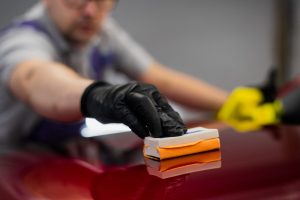
In addition to soap and mitts, you should invest in a set of soft towels for drying and a reliable wax or sealant for protection. Waxing not only protects the paint but also enhances its shine. Using a clay bar can also be beneficial; it helps remove embedded contaminants that regular washing might miss. The right tools not only make the process easier but also ensure that you are protecting your vehicle effectively.
Step-by-Step Cleaning Guide
The process of cleaning your car’s paint begins with preparation. Park your vehicle in a shaded area to prevent soap from drying too quickly. Start by rinsing off any loose dirt and debris with a hose. This step is crucial, as it helps prevent scratching during the washing process.
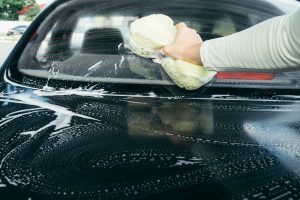
Next, mix your car wash soap with water according to the manufacturer’s instructions. Using your microfiber mitt, wash the car from the top down, rinsing the mitt frequently to avoid transferring dirt back onto the paint. Pay special attention to areas that accumulate grime, such as the wheel wells and lower panels. After washing, rinse thoroughly to remove all soap residue.
Once rinsed, dry your car with soft towels to prevent water spots. It is essential to avoid air drying, as this can leave unsightly marks. As a final step, apply a layer of wax or sealant to protect the paint and enhance its shine. This process not only keeps your car looking great but also extends the life of the paint.
Common Mistakes to Avoid in Car Paint Cleaning
Using Incorrect Cleaning Products
One of the most common mistakes car owners make is using incorrect cleaning products. While it might be tempting to use household cleaners, these can contain harsh chemicals that damage the paint and strip away protective wax layers. Always opt for products specifically formulated for automotive care to ensure the best results and protection for your investment.
Neglecting Regular Maintenance
Another mistake is neglecting regular cleaning and maintenance. Many car owners underestimate the importance of a consistent cleaning schedule. Infrequent cleaning can lead to the buildup of contaminants, making it more challenging to remove stains and debris. It is essential to develop a cleaning schedule—ideally every two weeks—to maintain your car’s appearance and keep it looking its best.
Professional vs. DIY Car Paint Cleaning
When to Seek Professional Help
While many car owners prefer to clean their vehicles themselves, there are times when seeking professional help is beneficial. If your car has significant paint damage, such as scratches or swirl marks, a professional detailer can restore its appearance more effectively than a DIY approach. Professionals have access to specialized equipment and products that can provide a deeper clean and better protection for your car’s paint.
Benefits of DIY Cleaning
On the other hand, DIY cleaning has its own set of benefits. It is often more cost-effective, allowing you to maintain your vehicle without breaking the bank. Additionally, cleaning your car yourself can be a rewarding experience, providing you with a sense of accomplishment and a better understanding of your vehicle’s care. By taking the time to learn proper cleaning techniques, you can ensure that your car stays in excellent condition for years to come.
FAQs
How often should I clean my car’s paint?
It is recommended to clean your car’s paint every two weeks to prevent the buildup of contaminants and maintain its shine.
What are the best products for car paint cleaning?
Look for high-quality car wash soaps, microfiber wash mitts, and pH-balanced waxes designed specifically for automotive finishes.
Can I use regular household cleaners on my car?
No, regular household cleaners can damage your car’s paint and strip protective layers. Always use products formulated for automotive care.